

纪念毛主席逝世50周年——对老牌修正主义的回顾与前瞻(三语版 Trilingual)E&J
Commemorating the 50th Anniversary of Chairman Mao's Death — A Review and Outlook on Old-Line Revisionism 毛主席逝去50周年を記念して——老舗修正主義への回顧と展望
https://blog.creaders.net/user_blog_diary.php?did=NTY0NjQ1
☆☆☆☆☆
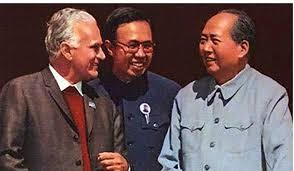
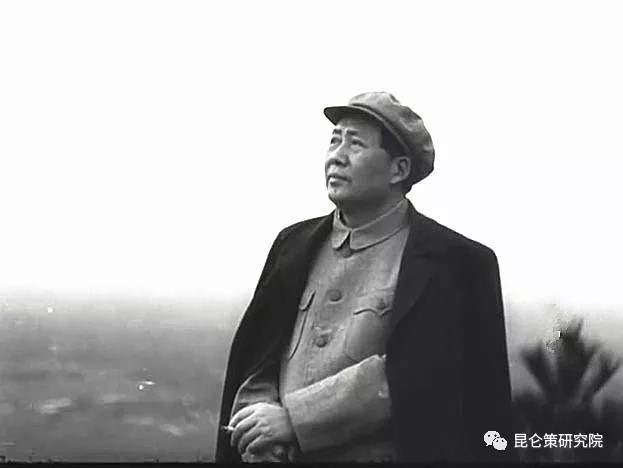
纪念毛主席逝世50周年——对老牌修正主义的回顾与前瞻
无套裤汉于2026年08月23日
欢迎传播/转发/扩散
Welcome to share, repost and spread the word.
転載歓迎 リツイート歓迎/シェア歓迎 拡散歓迎
自从毛主席于1976年逝世后,世界局势从国家要独立、人民要革命、民族要解放的群众运动和阶级斗争转向新、老修正主义回潮、资本主义复辟、世界资产阶级反对革命斗争和解放的反扑阶段;到了1991年底,前苏联在赫鲁晓夫、布列兹涅夫、叶利钦和戈尔巴乔夫等新修正主义反革命叛徒集团的摧残下而土崩瓦解了,世界无产阶级遭受到空前的挫败,从此,毛主席领导的第三世界人民的革命斗争和解放斗争进入了低潮和失声的阶段。
世界资本主义当权派在各国于是大喜过望,它们大兴利市、无往不利,利字当头、各显神通,真是千奇百怪、叹为观止。
但是,好景不长,各国的社会阶级矛盾不但越陷越深,广泛而频仍,资产阶级使用民主布幕笼络人民群众以维持其反动统治的陈旧技俩于是逐渐失效,尽管人民群众还没有达到完全觉醒的阶段,然而他们的觉悟程度随着世界资产阶级阵营的分裂与对立以至于战云密布而逐渐强化,甚至开始有了在一定程度上进行反抗的初步意识和警觉。
随着新修正主义的失败,取而代之的是老牌修正主义的借尸还魂。也就是说:新修正主义退而求其次,借助于旧的。
当前盛行于以北欧为主的欧洲各国多年的社会民主主义(social democracy),也就是由在一战前后的德国老牌或旧修正主义者爱德华·伯恩施坦(Eduard Bernstein, 1850-1932)所首创的在资本家阶级专政下施行点滴或所谓进化式的改良主义。由于当前处于晚期的资本主义世界已经到了大难当前而无路可走的总危机之下,因此即使曾经不可一世的美国也在逐渐仿效北欧,出现了社会民主主义的倾向-社会民主党人借助于资产阶级的民主党的名号推行其在资本主义下的点滴改良主义。美国社会民主党的未来充满了变量 ——一个即便如此体贴、无害而且温良恭俭让的资产阶级的友(或尾)党也不被当政者所认可,这不就导致特朗普总统痛斥之为所谓共产主义了吗?
新老修正主义的出现,在于它一方面收买部分工人,以至出现工人贵族,成为修正主义的社会阶级基础;另一方面借助于大批破产的农民、手工业者和其他小资产者(不是贫下中农而是没有改造好的的地主和富农阶层)涌入都市无产阶级队伍,参加所谓现代化建设和反对由于阶级斗争而出现的所谓混乱局面。于是无产阶级从自为阶段坠落并回到原来的自在阶段。无产阶级本身的“异化”导致了其革命党质变为修正主义党。即便原来属于革命党范畴的党于是也就成为“打着社会改造的幌子来进行欺骗的机会主义,是打着‘发展’和‘完成‘马克思主义’的外衣来偷运资产阶级社会主义,是打着’社会主义‘的招牌来维护剥削阶级对劳动群众的奴役和榨取,来更加狡猾地加强资本主义对劳动的统治。”
伯恩施坦还宣扬“唯生产力论”,反对马克思提出的“革命是历史的火车头”的正确论断。毛主席说:“革命就是解放生产力,革命就是促进生产力的发展”,这就说明:其他第三世界国家之所以落后,就在于不进行革命。
在修正主义制度下推行的公营企业一般地被认为是具有所谓社会主义性质的。这种看法并不正确,其实,它们仍然是以生产利润为目的,仍然使用雇佣劳动;这种公营企业实际上是掌握在资产阶级手中并进行阶级压迫、剥削和欺骗的国家资本主义(列宁称之为:地方公有资本主义)。
伯氏主张资本主义社会能够"和平长入"社会主义社会,这是过高估计了资本主义社会的和平性质了。资本主义社会充满了暴力——军队、警察、法院和监狱而且阶级斗争无时无地不在激烈地进行着。世界各国各地区的资本竞争空前地激烈和广泛而且深入并且激化,它们为了垄断的目的,不惜借助于战争。经过了乌克兰战争、美以伊战争的世界今天已经战云密布,并且正在朝着被制止了八十年的核战争的目标迈进。全球生物界趋向毁灭的核戰威胁正伴随着资本主义复辟与分裂逐渐固化。
起来!第三世界人民通过社会主义革命和胜利,孤立并催生第一和第二世界人民消灭作为战争祸源的资产阶级专政的斗争!
附对资本主义世界展望的两篇文章,作为参考:
汉语译文:
1
社会民主主义与民主本身
美国真正的社会主义者寥寥无几
但我们大多数人都是社会民主主义者
保罗·克鲁格曼 (Paul Krugman)【凯恩斯经济学者】
2026年7月2日
罗纳德·里根 (Ronald Reagan)
他曾试图阻止“联邦医疗保险计划”(Medicare) 的实施
福克斯新闻 (Fox News) 的一项民调显示,“社会主义在年轻选民中日益受到欢迎”。但我对此并不买账。年轻人或许对“社会主义”这个词接受度更高,但这仅仅是因为右翼人士不断用这个词来抹黑那些与真正社会主义——即生产资料公有制——毫无关系的政策。
事实是,极少有美国人——即便是在那些自称“民主社会主义者”的政客中——是真正的社会主义者。许多美国人(我认为是大多数)所支持的,是欧洲人所称的“社会民主主义”:这是一种既能接受以市场为主导的经济体系(其中存在贫富差距),又主张通过累进税制、社会保障网计划和监管措施来约束市场、缓解不平等的意识形态。
美国其实已经实施了广泛的社会民主主义政策,尽管其力度弱于大多数其他富裕国家。维持社会民主主义——甚至进一步加强美国的社会民主主义——得到了广泛支持,甚至包括共和党人的支持。相比之下,真正的社会主义则很少有公众支持。
那么,为什么看起来社会主义似乎正在兴起呢?主要原因是右翼宣传者不断将社会民主主义政策抹黑为“社会主义”,试图让那些广受欢迎的主流政策理念听起来显得极端。而一些本质上属于社会民主主义者的美国人则回应道:“好吧,如果那就是社会主义,那我倒也能接受。”
右翼人士经常试图将社会民主主义政策描绘成某种“非美国式”的事物。但社会民主主义其实非常“美国”——就像1928年发明的切片面包一样,是地道的美国产物。《社会保障法案》——该法案为残疾人、失业者及退休人员建立了社会保障网——在仅仅几年后的1935年便获得通过。全国最低工资标准于1938年确立。虽然大型医疗保健计划——联邦医疗保险 (Medicare) 和联邦医疗补助 (Medicaid)——直到1965年才建立,但这距今也已有60年了。如今,极少有美国人还记得那个没有庞大且昂贵的社会安全网(尽管这个网本身也存在巨大漏洞)的国家是什么样子。(在德克萨斯州,19%的65岁以下人口和14%的儿童没有医疗保险。)
累进税制也由来已久。事实上,20世纪50年代针对高收入人群征收的税率远高于今天:
在美国社会民主制度扩张的每一个阶段,右翼阵营都会高喊“社会主义”的口号。20世纪30年代,失业保险制度的建立曾遭到歇斯底里般的反对;这种反对声浪正是富兰克林·D·罗斯福(FDR)1936年在麦迪逊广场花园发表著名演讲的背景——他在演讲中谈及“有组织的金钱力量”(即权势集团)时宣称:
他们一致憎恨我——而我欢迎这种憎恨。
本文开头的图片源自“咖啡杯行动”(Operation Coffee Cup)。这是一项始于1961年的行动,旨在阻挠当时即将出台的“联邦医疗保险计划”(Medicare)。该行动通过动员医生家属邀请朋友聚会喝咖啡,并播放罗纳德·里根(Ronald Reagan)的录音——他在录音中宣称政府医疗保险将摧毁美国的自由——来试图阻止该计划的实施。
然而,社会保障(Social Security)和联邦医疗保险(Medicare)最终得以建立,并广受民众欢迎。事实上,尽管美国人总体上对“社会主义”持负面看法,但他们不仅强烈支持现有的社会民主项目,也支持扩大政府职能的提议。YouGov的最新民调显示:
这就引出了之前提到的民调结果:人们对“社会主义”的接受度正在上升。这究竟意味着什么?
可以肯定地说,这并不代表公众对真正的社会主义有着广泛的支持。即使是那些自称为社会主义者的政治人物,实际上也并非真正的社会主义者。
将这种现象称为“向左急转”也是具有误导性的。正如G. Elliott Morris等分析人士详尽阐述的那样,大多数选民在思考政治问题时,并不会以“左”与“右”的阵营划分作为出发点。在很大程度上,他们关注的是切身的民生问题(即“餐桌议题”),而没有强烈的意识形态框架。
不过,确实存在一股普遍的不满情绪,针对的是日益向极少数亿万富翁倾斜的经济,以及往往为这些寡头利益服务的政治体制。当人们声称支持社会主义时,他们往往真正想表达的其实是对寡头政治崛起的愤怒,而非要求建立无产阶级专政。
诚然,美国确实存在激进左翼,但他们并无实现其主张的现实可能。因此,理解当前围绕社会主义的喧嚣究竟因何而起至关重要。在很大程度上,这种喧嚣旨在转移人们对美国另一股重要激进势力所构成威胁的注意力——即那些企图瓦解社会民主制度乃至民主制度本身的激进右翼。
我的评论:
世界整体的政治走向是社会主义。社会民主主义不过是一种分流或伪装。当资本在权力和利润上达到顶峰时,劳动人民终将彻底推翻它。美国人民也将有可能通过毛主席在二战期间所提倡的新民主主义革命的道路达到目的。(SC)
2
250年:美国——从独立到帝国(第三部分)
从霸权到衰落
作者:迈克尔·罗伯特(Michael Robert)【马克思主义政治经济学家】
节选
特朗普总统的支持率处于历任总统中的最低水平。但他依然我行我素,继续向国会中期选举推进。
在建国250周年纪念周末伊始,他便抨击了所谓的美国“共产主义威胁”,将支持者定性为“1776年7月4日精神的敌人”。他发表讲话的地点位于达科他州的黑山(Black Hills);1877年,美国国会强迫苏族(Sioux)部落割让根据条约本应受保障的土地,随后美国政府非法夺取了该地区。显然,在他看来,共产主义对美国自由构成的威胁,比两次世界大战(包括击败纳粹主义)以及2001年9月11日恐怖袭击(由曾获美国资助以在阿富汗对抗俄罗斯的伊斯兰狂热分子实施)还要严重。特朗普声称,共产主义者既不爱上帝或宗教,也不尊重法律、正义、原则、传统或天赋人权(这番话简直是在照镜子自况)。
“你要么忠于卡尔·马克思,要么忠于美国。你要么是共产主义者,要么是爱国者。二者不可兼得。”他誓言要“迅速战胜共产主义”并“将他们流放”,并对欢呼雀跃的MAGA(让美国再次伟大)支持者群情激昂地说道:“我们将迅速把他们赶走,并继续把我们的国家建设得比以往任何时候都更宏大、更美好、更强大。美国永远不会成为一个共产主义国家。”古罗马共和国是美国开国元勋们制定宪法时效仿的典范。然而,随着某位精英人物攫取绝对权力,罗马在公元前后转型为帝国(由皇帝统治),其原有的权力分立与制衡机制也随之瓦解。该帝国在约两百年后达到鼎盛,随后便开始衰落。导致衰落的原因错综复杂:既有奴隶制经济内部的矛盾(奴隶来源枯竭),也有贫富差距的急剧扩大(土地高度集中在贵族精英手中),还有外部因素的影响——即帝国镇压反抗势力(如日耳曼部落)的能力日益减弱。
如今,美国这一“帝国”也呈现出同样的趋势。其资本主义经济已不再是繁荣扩张的引擎;收入与财富的不平等程度达到了250年来的最高点,且仍在持续恶化。此外,美国维持世界秩序的能力也日益衰退,越南、伊朗、乌克兰和中国的局势便是明证。罗马帝国从衰落到覆亡历经了两个世纪,而在现代资本主义世界,这一过程恐怕会快得多。也许在本世纪结束之前,美国就会转变为一个共产主义国家;又或者,正如罗马帝国崩溃时世界陷入黑暗时代那样,人类将再次坠入黑暗深渊——这一次,导致浩劫的将是气候灾难或核毁灭。
参考文献:
【1】吴忠观著:《伯恩施坦修正主义经济观点批判》,上海人民出版社,1975
【2】李家钟、张国钧、张伟合著:《伯恩施坦的哲学思想》,上海人民出版 社,1981
【3】Eduard Bernstein “Evolutionary Socialism,” Introduction by Sidney Hook, translated by Edith C. Harvey, 1961.
跋
《汉乐府》箜篌引——摸着石头过河
公无渡河,
公竟渡河。
坠河而死,
将奈公何。
*
Claude是将上文所示中文翻译成以下内容的译者:
Claude is the translator from the Chinese as shown above into the following:
Claudeは、上記の中国語を以下の内容へと翻訳する翻訳者である:
English Translation
Commemorating the 50th Anniversary of Chairman Mao's Death — A Review and Outlook on Old-Line Revisionism
By a Sans-Culotte, August 23, 2026
Since Chairman Mao passed away in 1976, the world situation has shifted from a stage of mass movements and class struggle — in which nations sought independence, peoples sought revolution, and nationalities sought liberation — toward a stage in which new and old revisionism resurged, capitalism was restored, and the world bourgeoisie counterattacked against revolutionary struggle and liberation. By the end of 1991, the former Soviet Union collapsed under the destruction wrought by the new-revisionist counter-revolutionary traitor cliques of Khrushchev, Brezhnev, Yeltsin, and Gorbachev. The world proletariat suffered an unprecedented setback, and from then on the revolutionary and liberation struggles of the peoples of the Third World, led by Chairman Mao, entered a period of low tide and silence.
The ruling capitalist authorities of various countries were overjoyed at this and prospered greatly, each pursuing profit in whatever ingenious way it could, in scenes both bizarre and astonishing.
But this state of affairs did not last. Class contradictions within each society deepened and spread ever more widely and frequently, and the bourgeoisie's old trick of using the curtain of democracy to win over the masses in order to sustain its reactionary rule gradually lost its effectiveness. Although the masses have not yet reached a stage of complete awakening, their consciousness has gradually strengthened alongside the splitting and confrontation within the world bourgeois camp and the gathering clouds of war, to the point where they have even begun to develop, to some degree, a preliminary awareness and vigilance toward resistance.
With the defeat of new revisionism, old-line revisionism has returned from the dead to take its place — that is, new revisionism, failing to advance, has fallen back on the old.
The social democracy that has long prevailed in the countries of Europe, chiefly in Northern Europe, was pioneered by the German old-line, or old, revisionist Eduard Bernstein (1850–1932) around the time of the First World War. It advocates piecemeal or so-called evolutionary reformism carried out under the dictatorship of the capitalist class. Since the capitalist world, now in its late stage, faces a total crisis with no way out, even the once-unrivaled United States has gradually come to imitate Northern Europe, giving rise to social-democratic tendencies — social democrats using the name of the bourgeois Democratic Party to carry on their piecemeal reformism under capitalism. The future of America's social democrats is full of uncertainty: even a bourgeois "friend" (or "tail") party as considerate, harmless, and deferential as this one is not tolerated by those in power — is this not precisely why President Trump has denounced it as so-called communism?
The emergence of new and old revisionism lies, on the one hand, in the buying-off of a portion of the workers, giving rise to a labor aristocracy that becomes the social-class base of revisionism; and on the other hand, in the influx into the urban proletarian ranks of large numbers of bankrupted peasants, artisans, and other petty bourgeois — not poor and lower-middle peasants but landlords and rich peasants who have not been properly reformed — who join in so-called modernization efforts and oppose the "chaos" said to arise from class struggle. As a result, the proletariat falls from the stage of being "for itself" back to its original stage of being merely "in itself." This "alienation" of the proletariat itself is what causes revolutionary parties to degenerate qualitatively into revisionist parties. Even parties that originally belonged to the category of revolutionary parties thus become, in effect, "opportunism that deceives under the guise of social transformation, that smuggles in bourgeois socialism under the cloak of 'developing' and 'completing' Marxism, that upholds the exploiting classes' enslavement and extraction of the laboring masses under the signboard of 'socialism,' and that thereby more cunningly strengthens capitalism's domination over labor."
Bernstein also propagated the "theory of the primacy of productive forces," opposing Marx's correct thesis that "revolution is the locomotive of history." Chairman Mao said: "Revolution means liberating the productive forces; revolution means promoting the development of the productive forces." This shows that the backwardness of other Third World countries lies precisely in their failure to carry out revolution.
State-owned enterprises operating under revisionist systems are generally regarded as having a so-called socialist character. This view is mistaken. In fact, such enterprises still aim at producing profit and still employ wage labor; they are, in reality, state capitalism (what Lenin called local state capitalism) in the hands of the bourgeoisie, which is used to carry out class oppression, exploitation, and deception.
Bernstein held that capitalist society could "peacefully grow into" socialist society — this overestimates the peaceful nature of capitalist society. Capitalist society is saturated with violence — armies, police, courts, and prisons — and class struggle is being waged fiercely everywhere at all times. Capital competition among countries and regions across the world has become unprecedentedly intense, extensive, and deep-going, and it continues to intensify; for the sake of monopoly, capital does not hesitate to resort to war. Having passed through the Ukraine war and the US-Israel-Iran war, the world today is thick with the clouds of war and is marching toward the goal of nuclear war, which has been held in check for eighty years. The threat of nuclear war, which tends toward the destruction of the entire biosphere, is steadily solidifying alongside the restoration and fragmentation of capitalism.
Arise! Let the peoples of the Third World, through the victory of socialist revolution, isolate and give rise to the struggle of the peoples of the First and Second Worlds to eliminate the dictatorship of the bourgeoisie, the source of war!
Attached below are two articles offering a outlook on the capitalist world, for reference:
There Are Very Few Socialists in America
But most of us are social democrats
Paul Krugman
Jul 2, 2026
Ronald Reagan
He was trying to stop Medicare
Fox News has a poll supposedly showing “socialism gaining ground with young voters.” But I don’t believe it. Young people may be more receptive to the word socialism, but that’s only because right-wingers constantly use that word to smear policies that have nothing to do with real socialism — i.e., government ownership of the means of production.
The fact is that very few Americans — even among politicians who call themselves “democratic socialists” — are really socialists. What many, I’d say a majority, of Americans support is what Europeans call social democracy — an ideology that is OK with living in a mostly market-driven economic system in which some people make much more money than others, but one that advocates policies to tame markets and inequality with progressive taxation, safety net programs, and regulations.
America already has an extensive range of social-democratic policies, although they are weaker than those in most other rich countries. And sustaining social democracy — indeed, making U.S. social democracy stronger — has very broad support, even among Republicans. Actual socialism, by contrast, has little public appeal.
Why, then, does it look as if socialism is on the rise? Mainly because right-wing propagandists continually smear social democratic policies as socialist, trying to make popular, mainstream policy ideas sound extreme. And some Americans who are basically social democrats in effect respond by saying, “Well, if that’s socialism, I guess I’m OK with socialism.”
Right-wingers often try to portray social democratic policies as somehow un-American. But social democracy is as American as sliced bread, invented in 1928. The Social Security Act, which created a safety net for the disabled and the unemployed as well as retirees, was passed just a few years later, in 1935. A national minimum wage was established in 1938. The big healthcare programs, Medicare and Medicaid, weren’t established until 1965 — but even that was 60 years ago.
So very few Americans even remember a nation that didn’t have a large, expensive social safety net — albeit one with some big holes in it. (In Texas, 19 percent of the population under 65 and 14 percent of children lack health insurance.)
Progressive taxation has also been around for a very long time. In fact, taxes on high incomes were much higher in the 1950s than they are today:
At each stage of the expansion of U.S. social democracy, the right has screamed “socialism.” There was hysterical opposition to the creation of unemployment insurance in the 1930s; that opposition is the context for FDR’s famous 1936 Madison Square Garden speech, in which he declared of the forces of “organized money”,
They are unanimous in their hate for me—and I welcome their hatred.
The picture at the top of this post comes from Operation Coffee Cup, a 1961 effort to head off what would soon become Medicare by getting doctors’ wives to invite their friends over to drink coffee and listen to a recording of Ronald Reagan explaining that government health insurance would destroy American freedom.
Yet Social Security and Medicare exist and are immensely popular. Indeed, while Americans continue to have a generally unfavorable view of socialism, they are strongly supportive not just of existing social democratic programs but of proposed expansions of the government’s role. From the latest YouGov poll:
Which brings me back to polls showing a rise in acceptance of “socialism.” What do they mean?
It’s safe to say that they don’t represent a groundswell of public support for actual socialism. Even politicians who call themselves socialists really aren’t.
It’s misleading even to call this a lurch to the left. As analysts like G. Elliott Morris have shown at length, most voters don’t think about politics in terms of left versus right. For the most part they think about kitchen-table issues, without strong ideological frameworks.
There is, however, a real groundswell of dismay over an economy that increasingly favors a tiny group of billionaires, and a political system that all too often works on these oligarchs’ behalf. When people say that they favor socialism, surely what they are often really saying is that they are angry about the rise of oligarchy. They are not demanding a dictatorship of the proletariat.
And while there are, of course, left-wing radicals in America, they have no realistic prospect of getting their way. So it’s important to understand what the current uproar over socialism is really about. For the most part, it’s an attempt to distract from the danger posed by the important radical movement in America — that of right-wing radicals who want to dismantle both social democracy and democracy itself.
You’re currently a free subscriber to Paul Krugman. For the full experience, upgrade your subscription.
My comments:
The over-all political movement of the world is that of socialism. Social democracy is merely a diverge or a facade. When capital reaches its peak in power and profit, working people will overthrow it once and for all.(SC)
*
250 YEARS: The United States – from independence to empire (part three)
From hegemony to decline
By Michael Robert
EXCERPT
President Trump has the lowest approval level of any president. But he rolls on regardless towards the mid-term Congressional elections.
He kicked off the 250th birthday weekend with an attack on what he called the “communist menace” in America, framing its supporters as “the enemy of July 4th, 1776”. He was speaking in the Black Hills, Dakota which the US government illegally seized from the Sioux Nation in 1877 after Congress forced the tribe to cede land it had been guaranteed under treaty. Apparently, communism is a greater threat to American liberty than both world wars (including the defeat of Nazism) and the September 11 2001 terrorist attack (made by Islamic fanatics previously funded by the US to defeat Russia in Afghanistan). Trump argued that communists do not love God or religion and have no respect for law, justice, principle, tradition or God-given rights (looking in the mirror here).
“You can be loyal to Karl Marx or you can be loyal to America. You can be a communist or you can be a patriot. You cannot be both.” Pledging to “vanquish communism quickly” and “send them into exile”, he told a cheering MAGA crowd: “We will send them quickly away, and we will continue to build our country bigger and better and stronger than ever before. America will never be a communist country.”
The ancient Roman republic was the model adopted by the Founding Fathers for the US constitution. But its ‘checks and balances’ to share power were abandoned when one of the elite achieved total power and Rome became an empire (with an emperor) around zero BC. The empire reached its pinnacle some 200 years later, but then began to decline through a combination of internal contradictions in its slave economy (no more slaves), hugely widening inequalities (land in the hands of an aristocratic elite) and externally from its weakening ability to police its empire from resistant forces (German tribes).
The same trends exist now for the US empire. Its capitalist economy is no longer a powerhouse of prosperous expansion; inequalities of income of wealth have never been so extreme in 250 years and are worsening. And the US has increasingly lost its power to police the world, as Vietnam, Iran, Ukraine and China show. Rome took two centuries to decline and fall. It won’t be so long in the modern capitalist world. It might yet become a communist country well before the end of this century – or we shall all be driven into the dark ages as the world was when the Roman empire collapsed – this time either by climate catastrophe or nuclear annihilation.
References:
[1] Wu Zhongguan, A Critique of Bernstein's Revisionist Economic Views, Shanghai People's Publishing House, 1975.
[2] Li Jiazhong, Zhang Guojun, and Zhang Weihe, Bernstein's Philosophical Thought, Shanghai People's Publishing House, 1981.
[3] Eduard Bernstein, Evolutionary Socialism, Introduction by Sidney Hook, translated by Edith C. Harvey, 1961.
Afterword
Konghou Yin ("Ballad of the Konghou"), from the Han Yuefu — "Crossing the River by Feeling the Stones"
Sir, do not cross the river.
Yet sir crossed the river.
He fell into the river and died —
What, then, is to be done with sir?
日本語訳
毛主席逝去50周年を記念して——老舗修正主義への回顧と展望
サン・キュロットより 2026年8月23日
毛主席が1976年に逝去して以来、世界情勢は、諸国家が独立を求め、人民が革命を求め、諸民族が解放を求める大衆運動と階級闘争の段階から、新旧修正主義の巻き返し、資本主義の復辟、世界ブルジョアジーによる革命闘争と解放への反撃という段階へと転じた。1991年末には、フルシチョフ、ブレジネフ、エリツィン、ゴルバチョフらの新修正主義的反革命裏切り者集団の手によって、旧ソ連が崩壊した。世界プロレタリアートはかつてない挫折を被り、これ以降、毛主席が率いた第三世界人民の革命闘争と解放闘争は低潮と沈黙の段階に入った。
これに対し各国の資本主義支配層は大いに喜び、それぞれが利益を追求してあらゆる手段を尽くし、実に奇々怪々、目を見張るばかりの光景を呈した。
しかし、この状況は長くは続かなかった。各国の社会的階級矛盾はますます深まり、広範かつ頻繁になっていった。ブルジョアジーが人民大衆を懐柔してその反動的支配を維持するために用いてきた「民主主義」という幕を用いる古い手口は、次第に効力を失っていった。人民大衆はまだ完全な覚醒の段階には至っていないものの、世界ブルジョア陣営内部の分裂と対立、そして戦雲の垂れ込めるにつれて、その意識は次第に強まり、ある程度の抵抗の初歩的な自覚と警戒心さえ芽生え始めている。
新修正主義の失敗とともに、それに取って代わったのは古い修正主義の「借尸還魂(死体を借りて魂を蘇らせる)」である。すなわち、新修正主義は前進できずに退き、古いものに頼るようになったのである。
現在、北欧を中心に欧州諸国で長年にわたって広く行われている社会民主主義(social democracy)は、第一次世界大戦前後のドイツの古い修正主義者エドゥアルト・ベルンシュタイン(Eduard Bernstein, 1850–1932)が創始したものであり、資本家階級の独裁のもとで漸進的、いわゆる進化論的な改良主義を実行するものである。今日、末期段階にある資本主義世界が八方塞がりの全面的危機に陥っているため、かつて並ぶ者なき勢いを誇ったアメリカでさえも、次第に北欧を模倣し、社会民主主義的な傾向――ブルジョア政党である民主党の名を借りて資本主義下での漸進的改良主義を推し進める社会民主主義者たち――が現れている。アメリカの社会民主主義者の未来は不確定要素に満ちている。これほど思慮深く、無害で、控えめなブルジョアジーの「友党」(あるいは「尾巴党」)でさえ、時の権力者には容認されない。まさにそれゆえにトランプ大統領はこれをいわゆる共産主義であると痛烈に非難したのではないか。
新旧修正主義の出現は、一方では労働者の一部を買収し、労働貴族を生み出して修正主義の社会的階級的基盤とすることに、他方では、破産した大量の農民、手工業者、その他の小ブルジョア――貧農・下層中農ではなく、十分に改造されていない地主・富農層――が都市プロレタリア隊列に流入し、いわゆる近代化建設に参加し、階級闘争によって生じる「混乱」とされるものに反対することに由来する。その結果、プロレタリアートは「対自的」段階から転落し、本来の「即自的」段階へと逆戻りする。プロレタリアート自身のこの「疎外」こそが、革命政党を質的に修正主義政党へと変質させる原因である。かつて革命政党の範疇に属していた政党でさえ、こうして「社会改造の看板を掲げて人を欺く日和見主義であり、マルクス主義を『発展』させ『完成』させるという衣をまとって密かにブルジョア社会主義を持ち込むものであり、『社会主義』の看板を掲げて搾取階級による勤労大衆への隷属と収奪を擁護し、資本主義による労働への支配をいっそう狡猾に強化するもの」となるのである。
ベルンシュタインはまた「唯生産力論」を唱え、マルクスが提起した「革命は歴史の機関車である」という正しい命題に反対した。毛主席は「革命とは生産力を解放することであり、革命とは生産力の発展を促進することである」と述べた。これは、他の第三世界諸国の立ち遅れの原因が、まさに革命を行わないことにあることを示している。
修正主義体制のもとで実施される国営企業は、一般に、いわゆる社会主義的性格を持つものとみなされている。しかしこの見方は正しくない。実際には、これらの企業はなお利潤の生産を目的とし、なお賃労働を用いている。こうした国営企業は実質的にはブルジョアジーの手中にあって階級的抑圧、搾取、欺瞞を行う国家資本主義(レーニンの言う「地方的国家資本主義」)に他ならない。
ベルンシュタインは資本主義社会が社会主義社会へと「平和的に成長していく」ことができると主張したが、これは資本主義社会の平和的性質を過大評価するものである。資本主義社会は暴力に満ちている――軍隊、警察、裁判所、監獄――そして階級闘争はいつどこでも激しく展開されている。世界各国・各地域の資本間競争はかつてないほど激しく、広範かつ深化しており、独占の目的のために戦争に訴えることも辞さない。ウクライナ戦争、米・イスラエル・イラン戦争を経た今日の世界は、すでに戦雲密布の状態にあり、80年間食い止められてきた核戦争という目標に向かって進みつつある。全生物界を絶滅へと向かわせる核戦争の脅威は、資本主義の復辟と分裂とともに、次第に固定化しつつある。
立ち上がれ!第三世界人民よ、社会主義革命の勝利を通じて、第一世界・第二世界人民を孤立させ、戦争の禍根であるブルジョアジー独裁を消滅させる闘争を促し起こせ!
以下、資本主義世界の展望に関する二篇の文章を付す。参考とされたい。
アメリカに社会主義者はほとんどいない
しかし、われわれの大半は社会民主主義者である
ポール・クルーグマン
2026年7月2日
ロナルド・レーガン
彼はメディケアを阻止しようとしていた
フォックス・ニュースは、「若年層有権者の間で社会主義が勢力を伸ばしている」ことを示すとされる世論調査を報じている。しかし私はそれを信じない。若者たちが「社会主義」という言葉により肯定的になっているとしても、それは単に、右派が本来の社会主義(すなわち生産手段の政府所有)とは無関係な政策を中傷するために、絶えずこの言葉を使ってきたからにすぎない。
実際のところ、「民主社会主義者」を自称する政治家を含めても、本当に社会主義者と呼べるアメリカ人はごくわずかである。多くのアメリカ人――おそらく過半数――が支持しているのは、ヨーロッパで言うところの社会民主主義(social democracy)である。
これは、一部の人が他の人よりはるかに多くの金を稼ぐような、おおむね市場主導の経済システムの中で暮らすことを容認しつつ、累進課税、セーフティネット制度、規制によって市場と格差を飼いならす政策を主張するイデオロギーである。
アメリカにはすでに広範な社会民主主義的政策が存在しているが、他のほとんどの豊かな国々に比べればその内容は弱い。そして社会民主主義を維持すること――むしろアメリカの社会民主主義をより強固にすること――は、共和党支持者の間でさえ非常に広範な支持を得ている。それとは対照的に、真の社会主義には、ほとんど大衆的な支持がない。
それではなぜ、社会主義が台頭しているように見えるのか。それは主に、右派のプロパガンダ担当者たちが、大衆的で主流の政策理念を過激に聞こえさせようとして、社会民主主義的政策を絶えず社会主義だと中傷し続けているからである。そして、実質的には社会民主主義者であるようなアメリカ人の一部が、それに応じて「それが社会主義だと言うのなら、まあ社会主義でも構わない」と言うようになっているのだ。
右派はしばしば、社会民主主義的政策を何やら非アメリカ的なものであるかのように描こうとする。しかし社会民主主義は、1928年に発明されたスライスパン同様、アメリカ的なものである。障害者や失業者、そして退職者のためのセーフティネットを創設した社会保障法は、その数年後の1935年に可決された。全国最低賃金は1938年に制定された。メディケアとメディケイドという二大医療保険制度が設立されたのは1965年のことだが、それでも60年前の話である。
したがって、大規模で高額な社会的セーフティネット――もっとも大きな穴がいくつも空いてはいるが――を持たない国家を記憶しているアメリカ人はごくわずかしかいない。(テキサス州では、65歳未満の人口の19パーセント、子どもの14パーセントが健康保険に未加入である。)
累進課税もまた、非常に長い歴史を持つ。実際、高所得者への課税は、今日よりも1950年代のほうがはるかに高かった。
アメリカの社会民主主義が拡大する各段階において、右派は「社会主義だ」と絶叫してきた。1930年代の失業保険創設に対しては、ヒステリックな反対があった。この反対こそが、フランクリン・ルーズベルトが1936年のマディソン・スクエア・ガーデンでの有名な演説の中で、「組織された金」の勢力について次のように宣言した文脈である。
彼らはこぞって私を憎んでいる――そして私はその憎しみを歓迎する。
本稿冒頭の写真は、1961年に行われた「オペレーション・コーヒーカップ」に由来する。これは、間もなくメディケアとなるものを阻止しようとする試みで、医師の妻たちに友人を自宅に招かせ、政府による医療保険がアメリカの自由を破壊すると説くロナルド・レーガンの録音を聞かせるというものだった。
それでも社会保障とメディケアは存在し、絶大な人気を誇っている。実際、アメリカ人は社会主義全般に対しては依然として概して否定的な見方を持っているものの、既存の社会民主主義的制度だけでなく、政府の役割拡大に関する提案についても、強い支持を示している。最新のユーガブの世論調査によれば――
このことから、話は「社会主義」に対する受容の高まりを示す世論調査に戻る。これらの調査は何を意味しているのか。
それらが実際の社会主義に対する大衆的な支持の高まりを示しているのではないことは、まず間違いない。社会主義者を自称する政治家でさえ、実際には社会主義者ではないのだ。
これを左傾化と呼ぶことすら誤解を招く。G・エリオット・モリスのようなアナリストたちが詳しく示してきたように、大半の有権者は政治を左派対右派という枠組みで考えているわけではない。彼らの多くは、強いイデオロギー的枠組みを持たず、生活に密着した身近な問題について考えているにすぎない。
しかし、実際に存在する大衆的な高まりがあるとすれば、それはごく一握りの億万長者たちにますます有利に働く経済、そしてしばしばこうした寡頭勢力のために動く政治システムに対する失望である。人々が社会主義を支持すると言うとき、彼らが実際に言おうとしているのは、寡頭政治の台頭に対する怒りであることが多いはずだ。彼らはプロレタリアート独裁を要求しているわけではない。
もちろんアメリカには左翼急進派も存在するが、彼らが自らの主張を実現する現実的な見込みはない。したがって、現在の社会主義をめぐる騒動が実際には何についてのものであるかを理解することが重要である。その大部分は、アメリカにおいて重要な急進主義運動――社会民主主義と民主主義そのものの双方を解体しようとする右派急進派――がもたらす危険から目をそらさせるための試みなのである。
あなたは現在、ポール・クルーグマンの無料購読者です。フルコンテンツをご覧いただくには、購読をアップグレードしてください。
私のコメント:
世界全体の政治的潮流は社会主義である。社会民主主義は単なる分岐点、あるいは見せかけにすぎない。資本がその権力と利潤の頂点に達したとき、労働人民はそれを一挙に打倒するであろう。(SC)
250年:アメリカ合衆国――独立から帝国へ(第三部)
覇権から衰退へ
マイケル・ロバーツ
抜粋
トランプ大統領は歴代大統領の中で最も低い支持率を記録している。それでも彼は、中間選挙に向けて構わず突き進んでいる。
彼は建国250周年の週末を、アメリカにおける「共産主義の脅威」への攻撃をもって切り開き、その支持者たちを「1776年7月4日の敵」だと位置づけた。彼はダコタ州ブラックヒルズで演説していた。この地は、条約で保証されていた土地を議会がスー族に放棄させたのち、1877年にアメリカ政府が不法に接収した場所である。どうやら共産主義は、両世界大戦(ナチズムの打倒を含む)や2001年9月11日のテロ攻撃(かつてアフガニスタンでロシアを打倒するためにアメリカが資金提供していたイスラム過激派によるもの)よりも、アメリカの自由にとって大きな脅威であるらしい。トランプは、共産主義者は神も宗教も愛さず、法、正義、原則、伝統、あるいは神から与えられた権利を尊重しないと主張した(まさに自分自身を鏡に映しているようなものだが)。
「諸君はカール・マルクスに忠誠を誓うこともできるし、アメリカに忠誠を誓うこともできる。共産主義者であることもできるし、愛国者であることもできる。しかしその両方であることはできない。」共産主義を「迅速に打ち破り」、「彼らを追放する」と誓いつつ、彼は熱狂するMAGAの群衆にこう語った。「われわれは彼らを速やかに追い出し、われわれの国をこれまで以上に大きく、より良く、より強く築き続けるのだ。アメリカが共産主義国家になることは決してない。」
古代ローマ共和国は、建国の父たちがアメリカ合衆国憲法のモデルとして採用したものである。しかし、権力を分有するためのその「抑制と均衡」は、エリートの一人が全権力を掌握し、紀元前後にローマが(皇帝を戴く)帝国となったときに放棄された。帝国はその約200年後に絶頂を迎えたが、その後、奴隷経済における内部矛盾(もはや奴隷が得られなくなったこと)、著しく拡大する格差(土地が貴族エリートの手に集中したこと)、そして外部からは、抵抗勢力(ゲルマン諸部族)から帝国を守る力の衰えによって、衰退していった。
現在、アメリカ帝国にも同様の潮流が存在する。その資本主義経済は、もはや繁栄的な拡大の原動力ではない。所得と富の格差は、この250年間で最も極端な水準に達し、なおも悪化し続けている。そしてアメリカは、ベトナム、イラン、ウクライナ、中国が示すように、世界を統制する力をますます失いつつある。ローマは衰退し崩壊するまでに二世紀を要した。現代の資本主義世界では、それほど長くはかからないだろう。今世紀末を迎える前に、アメリカはむしろ共産主義国家となるかもしれない――さもなければ、気候大災害か核による絶滅によって、ローマ帝国崩壊時の世界のように、われわれ全員が暗黒時代へと追いやられることになるだろう。
参考文献:
【1】呉忠観著『ベルンシュタイン修正主義経済観批判』、上海人民出版社、1975年
【2】李家鐘・張国鈞・張偉合著『ベルンシュタインの哲学思想』、上海人民出版社、1981年
【3】エドゥアルト・ベルンシュタイン著『進化的社会主義』、シドニー・フック序文、エディス・C・ハーヴェイ訳、1961年
跋(あとがき)
『漢楽府』箜篌引——「石を探りながら河を渡る」
公よ、河を渡る勿れ。
公は遂に河を渡る。
河に堕ちて死す、
公を如何せん。
―――――――――――――――――――――――――――――――――
回复 (1)